EAC Considers 2028 Ban on Raw Hide Exports and Imported Leather Goods

LW Desk
The East African Community (EAC) is considering a major policy change that could reshape the region's leather industry by 2028.
The proposed plan would ban the export of raw hides and restrict the import of finished leather products across the EAC's seven member states. The aim is to encourage more leather processing and manufacturing within East Africa.
"By 2028, we will ban importation of leather products and export of raw leather. Anyone who wants to produce leather shoes, jackets, bags will have to set up a factory within East Africa," said David Ole Sankok, MP at the East African Legislative Assembly (EALA).
The idea behind the proposal is to increase local manufacturing. Instead of exporting raw hides and later importing expensive finished leather products, East Africa wants to process more of its raw materials within the region and produce finished goods locally.
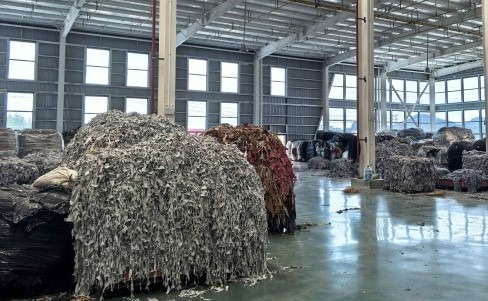
East Africa has nearly 75 million cattle, providing a strong supply of hides. However, more than 90% of the region's hides are currently exported in raw or semi-processed form, including wet blue leather. At the same time, imported products meet more than 80% of the region's footwear demand.
Supporters of the proposal believe stronger local manufacturing could create jobs, add more value to locally available raw materials and reduce dependence on imported footwear and other leather products.
Under the proposed 2028 framework, both local and international brands wishing to sell leather shoes, bags or jackets in the EAC market may be required to establish manufacturing facilities within the region.
The proposal supports the wider industrialization goals of the African Continental Free Trade Area (AfCFTA) and the EAC's Leather and Leather Products Strategy. If implemented, the policy could significantly change the way East Africa produces and trades leather and footwear products.