ACLE 2026 Highlights Shifting Demand, Technology and Efficiency in Leather Supply Chain
LW Desk
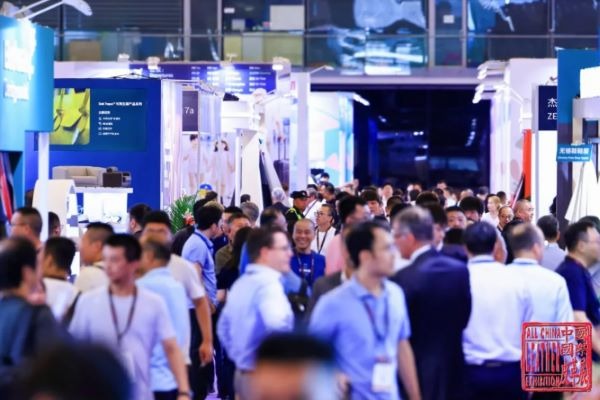
ACLE 2026 brought together more than 900 exhibitors and attracted record attendance, with changing demand, regulatory requirements, production efficiency and digitalization emerging as key themes across the global leather supply chain.
The global leather industry is adapting to weaker demand, changing trade conditions and rising sustainability expectations, with ACLE 2026 highlighting a growing focus on efficiency, technology and higher-value applications across the supply chain.
Held in Shanghai, ACLE brought together more than 900 exhibitors from over 30 countries and regions across eight halls. The exhibition covered hides and skins, semi-finished and finished leather, chemicals, machinery, components, footwear materials and manufacturing technologies.
According to ACLE’s post-show review, the event recorded more than 34,000 visits, the highest attendance in its history. Visitor numbers increased 5.7% year on year and were 44.7% above the 2019 pre-pandemic edition. The average visitor satisfaction score reached 9.15 out of 10.
Changing market conditions
The leather market continues to face pressure, particularly in China, where several major tanning and footwear businesses reported weaker sales and production during the first half of 2026.
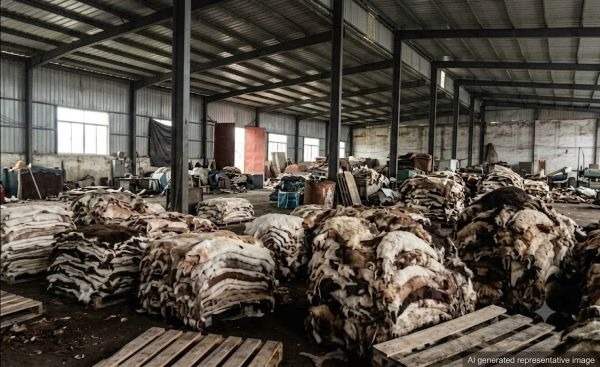
At the same time, raw-material sourcing is changing. China imported more raw hides and skins during the period, while imports of semi-finished and finished leather declined.
These shifts are taking place alongside growing demand for traceability, resource efficiency and lower-impact production. For suppliers, demonstrating the quality, performance and long-term value of leather is becoming increasingly important.
Regulation drives technology
ACLE 2026 also showed how regulatory requirements are increasingly influencing production decisions. PFAS restrictions, chemical compliance and ESG expectations featured prominently in industry discussions.
On the exhibition floor, suppliers presented chrome-free and bisphenol-free tanning systems, wastewater recycling, vegetable tanning and other solutions aimed at reducing resource consumption while maintaining leather performance.
Machinery developments followed a similar direction. Intelligent leather scanning, automated cutting, nesting and digitally controlled coating technologies were showcased to improve precision, productivity and material utilization.
Digital tools reshape sourcing
Digitalization is moving beyond the factory and into product development. AI Leatherlens, developed by APLF and Diction, demonstrated how leather textures can be digitally visualized on footwear, handbags, luxury goods and automotive interiors.
The technology reflects a broader change in sourcing, where buyers are increasingly considering texture, colour, thickness, sustainability and traceability alongside quality and price.
ACLE 2026 therefore highlighted a leather industry increasingly focused on supplying better rather than simply supplying more — with stronger efficiency, technical performance, traceability and collaboration becoming important across the value chain.
ACLE will return to Shanghai from 1–3 September 2027.