
India’s Leather Industry: Hurdles, Trade Pacts, and the Innovation Imperative
Prem Kumar
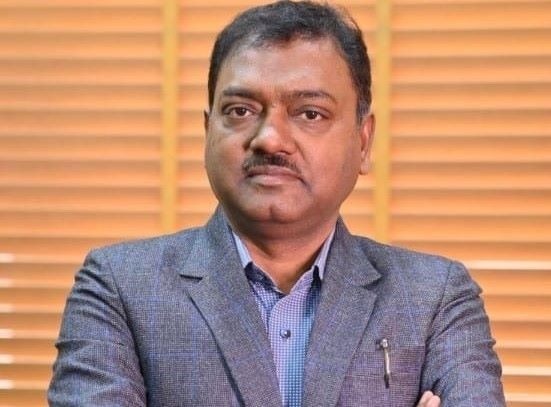
Yadvendra Singh Sachan, Regional Chairman of India’s Council for Leather Exports (Central Region), is a veteran voice in India’s leather and footwear sector. As a veteran, visionary and dynamic leader of India’s leather and footwear industry, his industry insights echo beyond his official position and officially delimited region. In an exclusive interview with Leather World News, Sachan talked at length about the challenges exporters face, from heightened freight costs and rigid export obligations to practical roadblocks in accelerating localized manufacturing and MSME infrastructure growth.
Q. Let’s begin with policy issues. You recently took the industry's issues to Parliament’s Standing Committee on Commerce. What were the major issues highlighted?
A: I laid out four core issues that the industry has been wrestling with for a while.
First, the import duty on finished leather. That’s been stuck for the last four years, and it really needs to go.
Second, we need to address under-invoicing and fairness in the duty structure for metal fittings and components. Right now, more than 70% of companies and traders are caught up in under-invoicing imports simply because high-quality metal fittings aren't readily available domestically. For mid-to-high-end products, manufacturers depend entirely on China, Vietnam, and Taiwan. If someone tries to make those fittings locally here, the production costs are way higher than just importing them. So, we need a realistic, streamlined pricing and duty structure for raw materials.
"Exporters are really struggling with annual export obligations under EPCG licenses. Business doesn't always move in a straight line. If a company hits a rough patch because of regional conflicts, shifting tariffs, or slow global markets, meeting rigid annual targets becomes a unnecessary nightmare. We’ve been requesting a shift to a cumulative, target-based window….”
Third is the pain over EODC (Export Obligation Discharge Certificates). Exporters are really struggling with annual export obligations under EPCG licenses. Business doesn't always move in a straight line. If a company hits a rough patch for a year or two because of regional conflicts, shifting tariffs, or slow global markets, meeting rigid annual targets becomes an unnecessary nightmare. We’ve been requesting a shift to a cumulative, target-based window, like a six-year block, rather than breathing down exporters' necks on a strict yearly basis.
The fourth is related to state policy. The UP government launched a good leather and footwear policy last year, but there’s a practical disconnect: the minimum investment cap is set at 50 crore rupees. Let's be realistic, the backbone of this sector is MSMEs. Expecting smaller players to drop 50 crores on infrastructure right out of the gate is tough, especially when they need to keep cash aside for daily working capital and operations. If a business invests 10 crores, they need room to breathe. We’ve urged the government to lower that threshold to 5 crores so it actually works for small and micro units.
“Expecting smaller players to drop fifty crores on infrastructure right out of the gate is tough... If a business invests ten crores, they need room to breathe."
Q. How did the MPs respond when you laid all this out?
A: To be fair, they listened very patiently. Everyone took note and asked me to hand over the details in writing so they could formally push it through committee discussions.
Q. Looking at the broader picture, what are the biggest internal and external challenges for the industry right now, and what are you realistically expecting from the central government?
A: The whole sector is feeling the pinch, no doubt about it. The biggest immediate crisis is freight. Logistics costs are in a terrible position right now; rates have spiked massively. If freight stays this high, export volumes are going to take a hit over the next couple of months.
On top of that, you have external uncertainty. Look at the US market; everyone is waiting on edge to see if new extra duties get slapped on certain countries over the next few weeks. That kind of uncertainty makes business tough. But despite all that, if the industry is still holding its ground and maintaining numbers, it shows we have resilience. What we really need right now is some policy cushion to help manage or control freight pressures.
Q. On the bright side, how much are Free Trade Agreements actually moving the needle?
A: FTAs definitely build positive sentiment on the ground. The recent execution of the deal with the UK has given a noticeable push to numbers, business is picking up, and there’s no doubt we’ll see a 10 to 15% growth there this year. And when the trade pact with the European Union eventually comes into effect, it’ll be a massive game-changer for India.
“Whether it's leather or any other business, if you don't focus on innovation and technological modernization, you won't survive."
Q. Closer to home, you met with the UP Chief Minister recently with some issues including a proposal for a dedicated mega leather cluster. Any progress on the ground there?
A: Yes. Officials are now proceeding with some urgency. We pushed hard for a dedicated mega leather cluster because of the sheer bottlenecks existing legacy areas like Kanpur face. In principle, the government has agreed to set up a brand-new mega cluster on entirely new land. The green light is there; now it’s just about execution and rolling it out on the ground.
Q. On a personal front, how has business been looking for you over the last six months?
A: For my own operations, if I look at the first quarter of FY 2026–2027, we’ve grown about 10 to 12% compared to last year. Things are moving forward.
Besides that, this region is trying to bridge gaps by pushing for joint ventures with partners from Taiwan and elsewhere. The state government is also planning a leather conclave soon, maybe in a month or two, which should bring in concrete figures for setting up larger manufacturing units here in Kanpur and Agra.
Q. Finally, what would be your piece of advice for your peers navigating this global ecosystem right now, what’s your pragmatic take on how they should run their playbook?
A: It's simple. Whether it's leather or any other business, if you don't focus on innovation and technological modernization, you won't survive. If you try to run things the exact same way for 15 or 20 years without adapting, you'll hit a wall. Any company that keeps its tech updated, innovates its products, and knows when to modernize, that's the business that stays standing.
——